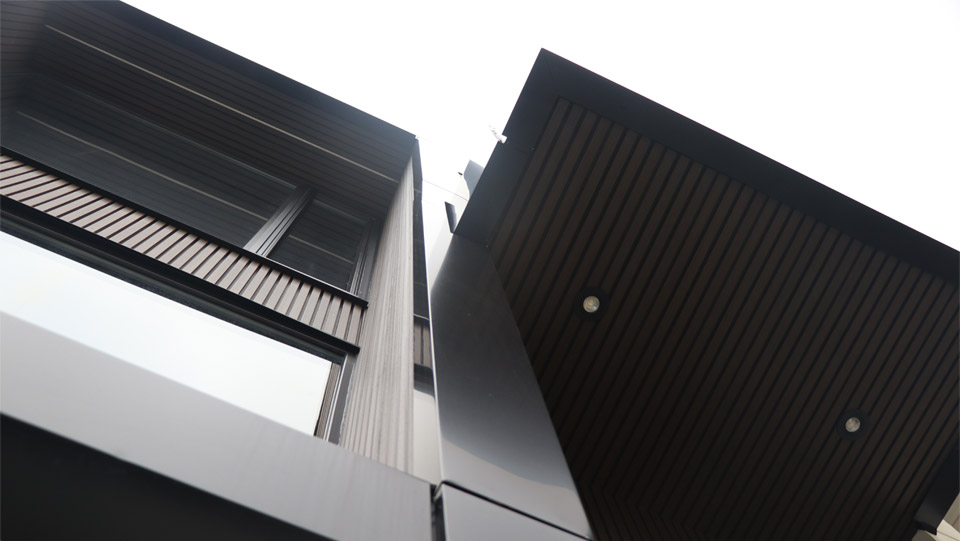
The functional requirements of cladding as an external finish are critical in modern architecture, where buildings are expected to perform well under various environmental and structural challenges. Beyond giving a structure its outward appearance, cladding functionals directly influence energy efficiency, protection from weather, sound insulation, fire resistance, and overall durability. Architects and engineers treat cladding as a vital component of the building envelope, ensuring that it performs like armor while also contributing to visual identity. In this article, we’ll explore in detail what cladding is, its primary and secondary functions, design considerations, and why it’s indispensable in creating safe, sustainable, and visually appealing buildings.
if you are looking for the best exterior design contractors in Toronto, call us!
What is Cladding?
Cladding refers to the non-load-bearing external layer of a building that serves as a protective skin. Unlike structural elements, cladding does not carry weight, but it shields the core structure from external conditions such as rain, snow, heat, wind, and pollution. The concept can be compared to wearing a protective jacket: while the jacket doesn’t carry the body’s weight, it provides comfort, protection, and style. Similarly, cladding helps regulate a building’s interaction with its surroundings while defining its architectural character. It can be made from various materials like glass, metal, composite panels or wood, each chosen based on performance requirements and design goals.
What is the Function of the Cladding?
The broader function of cladding goes beyond weather protection. Cladding also ensures thermal comfort by reducing the amount of heat entering in summer and escaping in winter. It helps with noise control in busy urban areas by providing an acoustic barrier. Fire safety is another critical function, as many cladding materials are specifically designed to resist flame spread. Aesthetic contribution is equally important: the right cladding defines a building’s personality, making it visually distinctive. In short, cladding integrates safety, performance, and appearance into a single multifunctional system.
Importance of External Cladding in Modern Buildings
In today’s construction industry, external cladding is no longer optional; it is a necessity. Modern buildings are exposed to harsher weather conditions, urban noise, air pollution, and strict sustainability regulations. Cladding acts as the first line of defense, ensuring that the building envelope is sealed against water infiltration and thermal leakage. At the same time, cladding gives architects the freedom to design facades that align with cultural, stylistic, and functional expectations. From futuristic glass skyscrapers in cities to traditional brick houses in residential neighborhoods, cladding bridges functionality and aesthetics, ensuring that structures are both resilient and beautiful.
What is the Function of Exterior Cladding?
The function of exterior cladding is primarily about protecting the building. It forms a barrier that shields the structure from external elements like rainwater, snow, UV rays, and wind pressure. This prevents moisture penetration, which could otherwise lead to structural decay, mold growth, and reduced durability. Exterior cladding also stabilizes internal conditions, making buildings more energy-efficient by limiting heat transfer. For high-rise constructions especially, exterior cladding systems must also withstand wind loads and temperature fluctuations, ensuring safety while reducing maintenance demands over time.
Functional Requirements of Cladding as an External Finish
When evaluating the functional requirements of cladding as an external finish, it is essential to view it from a performance-based perspective. Effective cladding must:
- Resist water penetration and prevent dampness.
- Provide thermal insulation to reduce energy costs.
- Offer acoustic insulation for occupant comfort.
- Resist fire and limit flame spread.
- Enhance the building’s visual identity.
- Remain durable over decades with minimal maintenance.
By meeting these requirements, cladding ensures that the building envelope is not just a superficial covering but a high-performance layer that safeguards the entire structure.
Primary Functions of Cladding
The most important features of cladding you should consider are these:
Weather Resistance
Cladding must act as a shield against water infiltration, which is one of the most common causes of structural deterioration. Rainwater penetration can damage insulation, corrode steel reinforcement, and weaken walls. High-quality cladding systems use barriers, sealants, and drainage cavities to ensure water is managed effectively.
Thermal Insulation
One of the strongest contributions of cladding is energy conservation. By minimizing thermal bridging, cladding helps reduce heat loss in winter and keeps interiors cooler in summer. This improves indoor comfort and significantly lowers reliance on HVAC systems, leading to lower energy bills and compliance with environmental standards.
Acoustic Control
Cladding systems play a major role in noise control, especially in urban or industrial areas. Materials like composite panels or insulated glass units absorb or deflect external sounds, ensuring that interior spaces remain quiet and comfortable.
Structural Safety
While cladding is non-structural, its role in structural safety cannot be ignored. A properly designed cladding system manages wind loads, prevents water-induced weakening of walls, and contributes indirectly to the stability of the overall structure.
Additional Functions of Cladding
Aesthetic Value
Cladding defines the outward appearance of a building. A glass curtain wall gives a sleek modern look, while stone cladding conveys strength and timelessness. Beyond style, aesthetics influence property value and public perception.
Energy Efficiency
Advanced cladding technologies such as ventilated facades and insulated panels reduce energy consumption. Some cladding even integrates photovoltaic systems, turning the building envelope into an energy generator.
Fire Resistance
High-performance cladding materials must be fire-rated to protect occupants and minimize the risk of flame spread. This is especially critical in high-rise buildings where fire safety regulations are strict.
Durability and Sustainability
Cladding materials must withstand decades of exposure to sun, rain, wind, and pollution without frequent replacement. Sustainable options like aluminum sheets, wood polymer composite panels, and green walls also contribute to eco-friendly construction practices.
What are the Major Considerations When Designing a Cladding System?
When designing cladding, architects must carefully balance performance, cost, aesthetics, and maintenance. Material choice should reflect both the climate and the functional requirements. For example, aluminum panels are excellent for durability, while composite panels offer flexibility and cost efficiency. Fire safety ratings, thermal performance, and acoustic properties must also be considered early in the design process. Additionally, long-term maintenance costs, should be factored into the overall project budget.
Types of Cladding Systems
Modern cladding systems come in a wide range of materials, each offering unique advantages depending on the building’s purpose, climate, and budget. Below are some of the most commonly used options:
Brick Cladding
Brick offers excellent durability, low maintenance, and thermal performance. It is widely used in residential and institutional buildings where longevity and classic aesthetics are important.
Metal Cladding (Aluminium Cladding)
Aluminium cladding is lightweight, corrosion-resistant, and highly versatile. It is commonly used in contemporary architecture for sleek, modern façades. Its recyclability also makes it a sustainable choice. Aluminium panels can be finished with coatings or textures that enhance both durability and aesthetics.
ACM Panel (Aluminium Composite Material)
ACM panels consist of two thin aluminium sheets bonded to a non-aluminium core. They are lightweight, flexible, and easy to install, making them a popular choice for commercial and high-rise buildings. ACM panels can achieve smooth, seamless façades and are available in a wide variety of colors and finishes. Their adaptability allows for creative designs while maintaining excellent weather resistance.
Fiber Cement Cladding
Fiber cement boards are made from a mix of cement, sand, and cellulose fibers, offering durability and fire resistance. They mimic the appearance of wood, stone, or even concrete but are much lighter and easier to maintain. Fiber cement cladding is especially valued for its long lifespan, termite resistance, and cost-effectiveness.
Wood Polymer Composite (WPC)
WPC fluted panels for cladding combines natural wood fibers with polymers to create a material that looks like wood but resists moisture, rot, and pests. It provides a warm, natural aesthetic with lower maintenance compared to pure wood siding. WPC is often used in residential projects and outdoor applications where both beauty and durability are required.
Wood Siding
Traditional wood siding remains a popular choice for its natural beauty and timeless appeal. It offers excellent insulation and design flexibility. However, pure wood requires regular maintenance to protect against moisture, pests, and fire. When maintained properly, wood siding provides a warm, inviting look unmatched by synthetic alternatives.
Glass Cladding
Glass cladding is frequently used in curtain wall systems for high-rise buildings. It allows natural light to penetrate interiors while providing a sleek, modern appearance. Insulated glass units also contribute to thermal and acoustic performance.
Composite Panels
Apart from ACM and WPC, other composite panels mix materials like plastics, resins, or minerals to create cost-effective solutions with balanced performance and design flexibility.
Cladding Functionals in Sustainable Architecture
In sustainable design, cladding plays a key role in reducing environmental impact. Systems like double-skin facades create natural ventilation, green walls provide insulation and oxygen, and recycled materials lower carbon footprints. Modern cladding also integrates with energy systems, such as solar panels, to generate renewable energy directly from the façade.
Impact of Cladding on Building Performance
The impact of cladding extends across the building’s life cycle. It reduces operational energy demand, lowers maintenance costs, enhances safety, and improves occupant well-being. A well-designed cladding system ensures a comfortable, quiet, and energy-efficient indoor environment while prolonging the structural integrity of the building beneath it.
Common Mistakes in Cladding Design and Installation
Cladding failures often result from poor detailing, inadequate drainage, or the use of unsuitable materials. Inadequate thermal breaks can lead to condensation, while poor fire-rated selections can pose severe safety risks. Lack of ventilation in ventilated façades may also reduce performance. Proper engineering, material selection, and skilled installation are essential to avoid these pitfalls.
The functional requirements of cladding as an external finish underline how critical this system is in both performance and design. From keeping out rain and insulating against heat loss to defining the visual character of buildings, cladding stands at the intersection of architecture and engineering. By understanding its primary and secondary functions, making informed design decisions, and using innovative materials, builders and architects can ensure that their projects remain safe, efficient, and aesthetically appealing for decades.
FAQs
Cladding must provide weather resistance, thermal and acoustic insulation, fire protection, durability, and aesthetic value.
It reduces energy use, improves indoor climate control, and can use recycled or renewable materials for lower carbon impact.
No, while it defines appearance, its main functions are safety, protection, and energy efficiency.