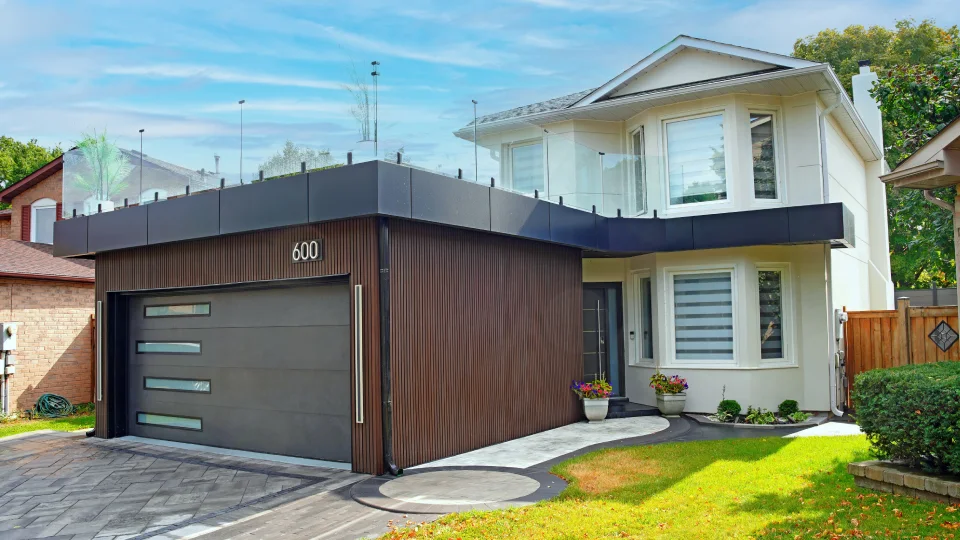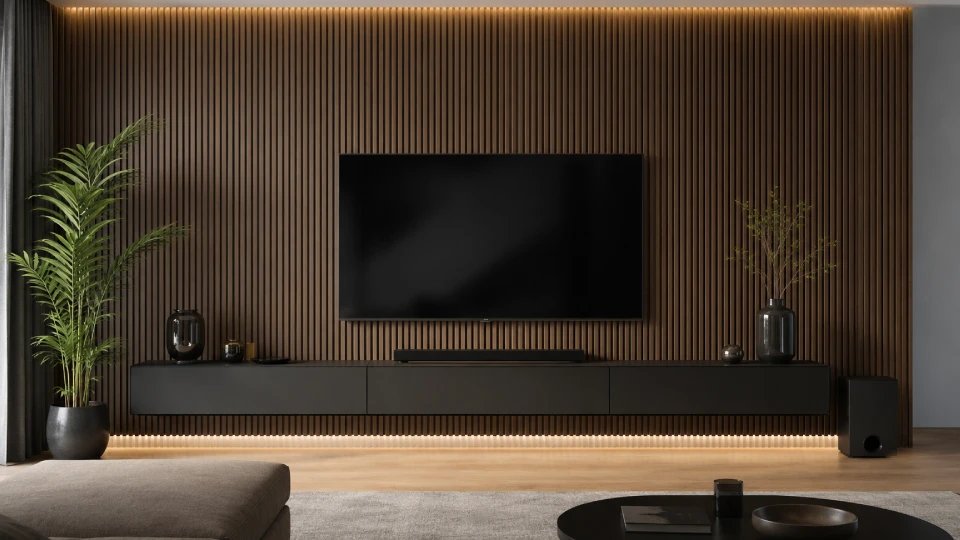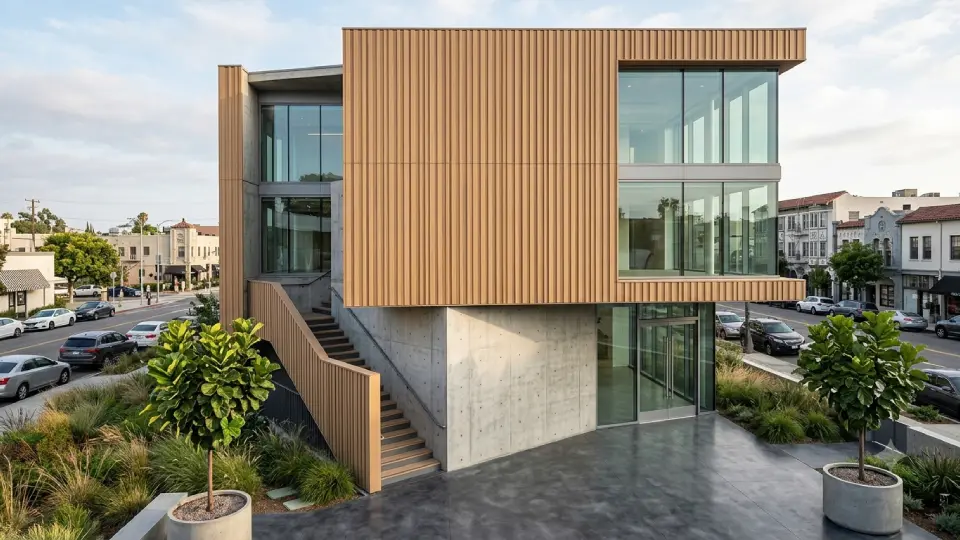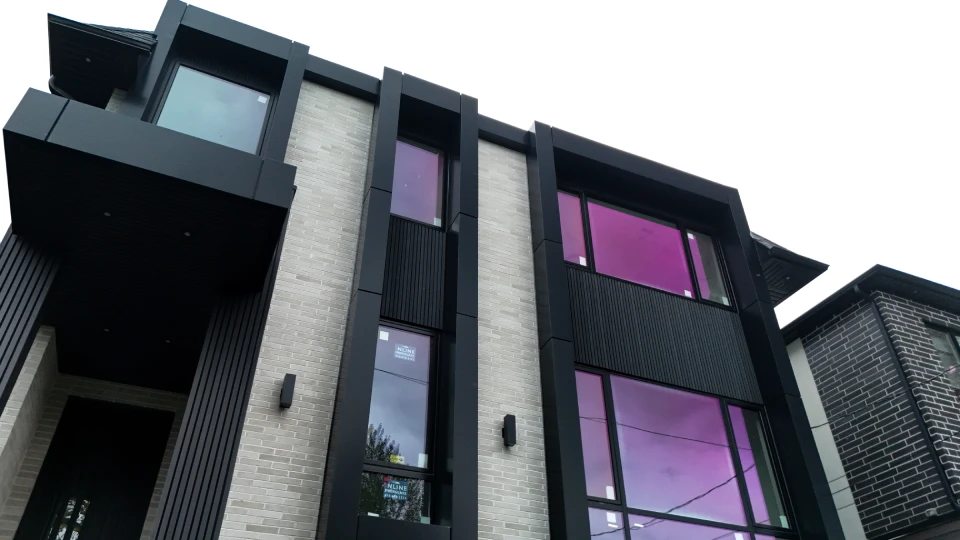

The resistance of WPC wall panels to pest infestation is one of the most important reasons why these materials have become increasingly popular in modern exterior architecture. In climates where moisture, humidity, and temperature fluctuations create ideal conditions for insects and biological damage, choosing a facade material that can resist pests is critical for long-term building performance. Many homeowners and builders specifically look for solutions where WPC panels are pest proof because traditional wood materials often become vulnerable to termites, insects, and structural deterioration over time.
Exterior wall systems are not only responsible for appearance; they also protect the structure itself. When a facade material becomes affected by insects or pests, the damage can spread gradually and compromise both aesthetics and structural stability. This is why understanding how WPC wall panels behave against pest infestation is essential before selecting exterior cladding materials.
Why pest resistance matters in exterior walls?
Pest resistance is not just a minor maintenance advantage. It directly affects the durability, safety, and long-term cost of a building.
Insects such as termites and wood-boring pests are naturally attracted to organic materials, especially in humid environments. Once infestation begins, the damage is often hidden beneath the surface and may continue for years before becoming visible. Repairing these problems can become expensive because the affected materials usually need complete replacement.
For exterior facades, pest-resistant materials reduce the risk of hidden structural damage, decrease maintenance requirements, and improve the lifespan of the cladding system. This becomes even more important in regions with fluctuating weather conditions where moisture can accelerate biological activity.
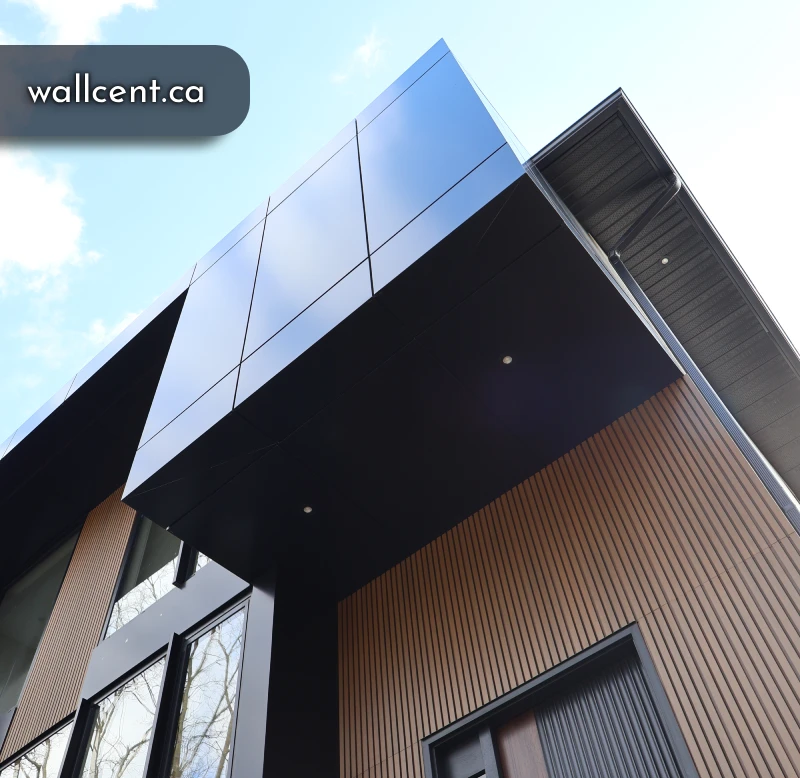
Why WPC panels resist pests?
The strong resistance of WPC wall panels to pest infestation comes from the material’s engineered structure and manufacturing process.
Low organic exposure
Unlike natural wood, Wood Polymer Composite is not made from solid timber. Although it contains wood fibers, these fibers are encapsulated within polymer materials. This limits direct access to organic content, making the panels far less attractive to termites and insects.
Moisture resistance
One of the main reasons insects attack traditional wood is moisture retention. Damp wood creates the ideal environment for termites, mold, and biological activity. WPC panels are designed to resist water and humidity, which significantly reduces the conditions that pests need to survive and spread.
Dense composite structure
WPC materials have a compact and engineered structure that insects cannot easily penetrate. Traditional wood contains natural grain patterns and microscopic openings where pests can enter and expand. WPC panels do not provide the same pathways, making infestation much more difficult.
Chemical stability
High-quality WPC panels are manufactured with stabilizers and protective additives that improve durability against environmental damage, including biological threats. These engineered properties help the panels maintain long-term resistance without requiring chemical pest treatments.
Reduced cracking and splitting
Natural wood expands, contracts, cracks, and splits over time due to weather exposure. These openings create access points for insects. WPC panels are more dimensionally stable, reducing the risk of gaps and cracks where pests can enter.
WPC vs traditional wood
When comparing WPC with traditional wood, the difference in pest resistance becomes very clear.
Natural wood has a warm and authentic appearance, but it remains vulnerable to termites, carpenter ants, beetles, and fungal decay. Even treated wood requires ongoing maintenance and protective coatings to reduce the risk of infestation. Over time, weather exposure weakens these protective treatments, increasing vulnerability again.
WPC panels, on the other hand, are engineered specifically to overcome many of these limitations. Their moisture-resistant and composite structure gives them a major advantage in exterior applications. While no material is completely indestructible under every condition, high-quality WPC panels are significantly more resistant to pests compared to ordinary wood cladding.
Another important difference is maintenance. Wood often requires periodic inspections, sealing, staining, or pest treatment to maintain durability. WPC systems require far less intervention, which reduces long-term maintenance costs and effort.
How pest resistance improves long-term value?
One of the biggest advantages of pest-resistant exterior materials is financial predictability.
When cladding materials are vulnerable to insects, hidden repairs can become a major expense years later. Pest-resistant WPC panels help property owners avoid these unexpected costs while maintaining the visual quality of the building for a longer period.
In commercial projects and modern residential construction, this long-term reliability is extremely valuable. Builders and homeowners increasingly prefer materials that reduce maintenance risk while maintaining consistent performance.
The role of proper installation
Even though WPC panels are pest proof compared to traditional wood, installation quality still plays an important role.
Poorly designed substructures, trapped moisture behind panels, or improper ventilation can create environmental conditions that indirectly contribute to biological issues around the wall system. Professional installation ensures proper airflow, moisture management, and structural stability, helping the panels perform at their highest level.
This is why experienced contractors use proper spacing systems, moisture barriers, and ventilation techniques during installation.
Why WPC performs well in Canadian climates?
In Canadian cities like Toronto, exterior materials must handle rain, snow, freeze-thaw cycles, humidity, and seasonal temperature changes. These environmental stresses can accelerate deterioration in traditional wood systems and increase vulnerability to pests over time.
WPC panels are specifically valued in these climates because they combine moisture resistance, structural stability, and low maintenance. Their pest-resistant performance becomes even more important in long-term exterior applications where durability is a priority.
Choosing high-quality WPC matters
Not all WPC products perform equally. Low-quality composite panels with weak manufacturing standards may have lower density, reduced moisture resistance, or poor structural integrity.
Choosing high-quality WPC systems from reliable suppliers ensures better resistance against environmental and biological damage. Professional manufacturers also design their products specifically for exterior conditions, which improves long-term durability and performance.
Conclusion
The strong resistance of WPC wall panels to pest infestation is one of the key reasons why they have become a preferred solution in modern exterior architecture. Compared to traditional wood, WPC panels offer significantly better protection against termites, insects, and moisture-related biological damage while requiring far less maintenance.
Their engineered structure, moisture resistance, and dimensional stability make them a smart long-term investment for residential and commercial facades alike. For homeowners and builders looking for durable, low-maintenance, and reliable exterior materials, WPC provides a practical solution that combines performance with modern architectural aesthetics.
For projects in Toronto, working with experienced professionals like Wallcent ensures that high-quality WPC panels are selected and installed correctly for maximum durability and long-term protection.