
Benefits of fluted panels have made them one of the most searched and discussed topics in modern façade design. When evaluating the advantages of fluted panels and the disadvantages of fluted panels, many homeowners and builders are trying to understand whether this trend is just aesthetic or truly practical for long-term exterior use. The conversation around the cons and pros of fluted wall panels has grown significantly, especially in markets like Canada where durability, moisture resistance, and structural performance are essential.
At first glance, fluted panels stand out because of their clean vertical lines and modern appearance. However, the real question is not just how they look, but how they perform over time. Are they durable enough for exterior walls? Do their advantages outweigh their limitations? And more importantly, are they worth the investment compared to other cladding options? This article answers these questions in a clear, practical, and technically accurate way, helping you make a confident and informed decision.
Why fluted panels became popular?
Before diving into technical evaluation, it’s important to understand the reason behind their rapid growth in architecture.
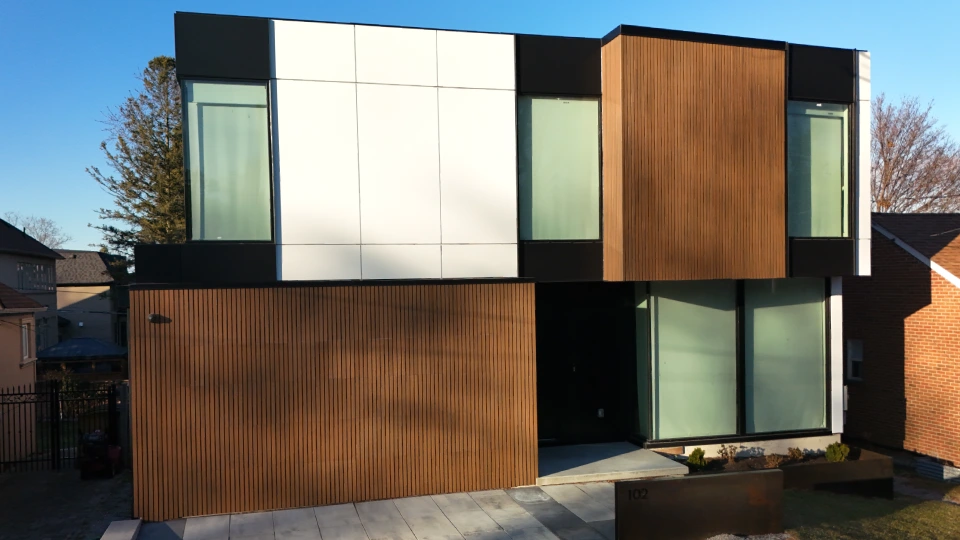
Fluted panels became popular as architects started moving toward minimal yet expressive designs. Instead of adding complexity through multiple materials, designers began using texture as a primary design element. The vertical grooves of fluted panels create natural shadow lines, which change throughout the day and give the façade a dynamic appearance without overdesigning it.
With the development of durable materials like WPC and aluminum-based panels, fluted designs moved from interior decoration into exterior architecture. Today, they are widely used in residential and commercial buildings because they provide both visual identity and structural practicality.
Why does understanding pros and cons matter?
Before selecting fluted panels, it is essential to understand both the advantages of fluted panels and the disadvantages of fluted panels in real-world applications.
Exterior cladding is not just about appearance. It must perform under environmental stress, including moisture, UV exposure, and temperature changes. A material that looks attractive but fails in performance can lead to costly repairs. That is why evaluating the cons and pros of fluted wall panels helps ensure the right choice for long-term use.
Advantages of fluted panels
Fluted panels offer several key benefits that make them a strong option for exterior walls, especially when high-quality materials are used.
Visual depth and architectural impact
One of the main benefits of fluted panels is their ability to create depth. The grooves generate shadows that add dimension to flat surfaces, making buildings look more refined and modern without adding extra elements.
Alignment with modern architecture
The advantages of fluted panels include their perfect compatibility with modern and minimalist design styles. They work seamlessly with glass, metal, and composite materials, allowing for cohesive and contemporary facades.
Material versatility
Fluted panels are available in WPC, aluminum composite, and other engineered materials. This flexibility allows them to be adapted for different climates and performance requirements, making them suitable for exterior use when properly selected.
Durability in exterior conditions
High-quality fluted panels, especially WPC-based systems, are resistant to moisture, UV rays, and temperature changes. This makes them reliable for long-term outdoor applications.
Low maintenance performance
Another important point in the benefits of fluted panels is their relatively low maintenance. When installed correctly, they require only periodic cleaning to maintain their appearance.
Disadvantages of fluted panels
Despite their strengths, the disadvantages of fluted panels should be carefully considered before making a decision.
Precision-dependent installation
One of the main cons and pros of fluted wall panels is their sensitivity to installation quality. Misalignment can disrupt the visual pattern, making professional installation essential.
Dust and dirt accumulation
The grooved design can trap dust and dirt over time. In exterior environments, especially urban areas, this may require more frequent cleaning compared to flat surfaces.
Higher upfront cost
Compared to standard cladding, fluted panels may have a higher initial cost due to their design complexity and installation requirements. This is an important factor when evaluating a budget.
Limited design compatibility
While the advantages of fluted panels are clear in modern architecture, they may not fit well with traditional or classical building styles.
Key decision tips
Choosing the right cladding material requires more than just comparing aesthetics.
First, evaluate the environment. In climates like Canada, materials must handle moisture, freezing temperatures, and UV exposure. This makes high-quality WPC fluted panels a more reliable choice.
Second, consider long-term maintenance. While the benefits of fluted panels include durability, their design still requires occasional cleaning to maintain visual quality.
Third, focus on professional installation. Many of the disadvantages of fluted panels can be minimized or eliminated with proper installation and correct substructure design.
The advantages and disadvantages of fluted panels show that they are a powerful architectural solution when used correctly. Their ability to combine modern aesthetics with functional performance makes them a popular choice for exterior walls. However, like any material, they require proper selection, planning, and execution.
By understanding the cons and pros of fluted wall panels, you can confidently decide whether they are the right fit for your project. For exterior applications in Toronto, working with experienced professionals like Wallcent ensures that fluted panels are installed with precision and designed to perform in Canadian conditions. With the right approach, fluted panels can deliver both long-term durability and a visually striking façade.