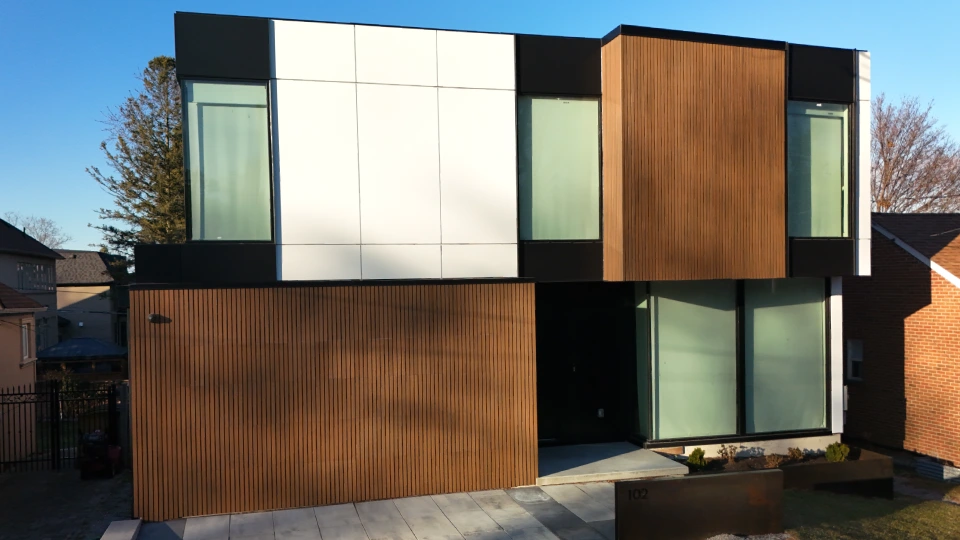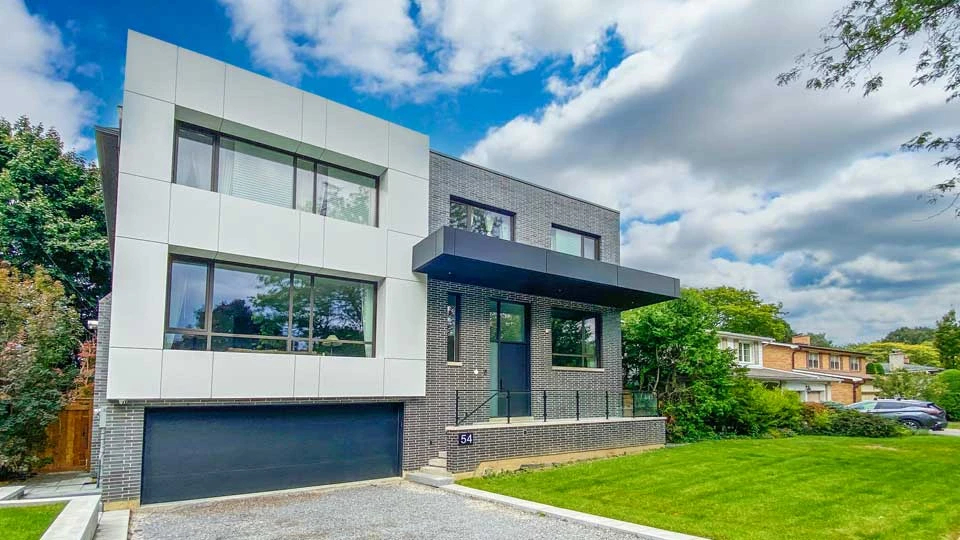

Hidden costs of cladding are an underestimated aspect of exterior construction and renovation projects. Many homeowners and developers focus primarily on the visible expenses such as material price per square meter or initial installation quotes, but the reality is that the hidden costs of cladding renovation and façade execution can significantly impact the final budget. These additional expenses are often not obvious at the beginning and may only become clear during or even after installation. Understanding the true hidden costs of facade systems is essential for making informed decisions, avoiding financial surprises, and ensuring that a project remains within budget while achieving the desired quality.
Why hidden costs in cladding projects are often overlooked?
Cladding projects are typically perceived as straightforward upgrades, especially when compared to structural construction. However, exterior wall systems involve multiple layers, technical requirements, and environmental considerations that are not always visible in initial quotations. Contractors may provide base pricing without fully accounting for site conditions, structural adjustments, or finishing details. In many cases, clients are not aware of these variables, which leads to unexpected expenses during execution. The gap between estimated and actual cost is usually the result of insufficient planning, lack of technical transparency, or choosing low-cost solutions that later require correction.
What are the most common hidden costs of cladding?
One of the most frequent hidden costs arises from surface preparation. Walls are rarely perfectly level, especially in renovation projects. Before installing cladding, the surface may require correction through framing systems, insulation layers, or moisture barriers. These preparatory steps are essential for proper installation but are often excluded from initial estimates.
Another significant cost comes from substructure systems. Cladding panels cannot always be mounted directly onto walls. Depending on the material and design, additional frameworks such as metal or wooden battens are required to support the panels and ensure ventilation behind the façade. This not only adds material cost but also increases labor complexity.
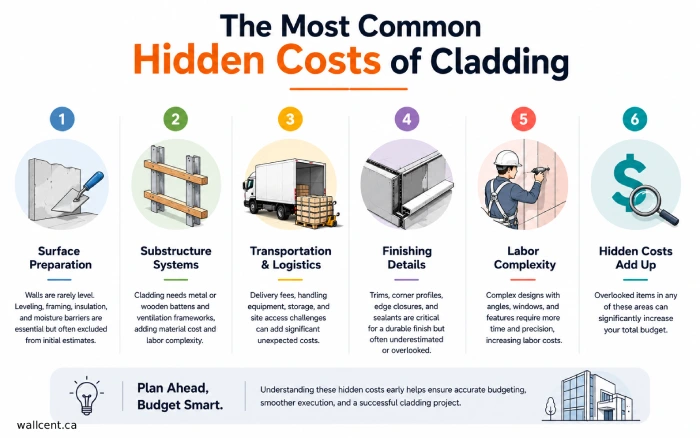
Transportation and logistics can also become hidden expenses, particularly for large or custom cladding panels. Delivery fees, handling equipment, and on-site storage requirements may not be included in initial pricing. In urban areas like Toronto, access limitations can further increase logistical costs.
Finishing details such as trims, corner profiles, edge closures, and joint sealants are another area where costs accumulate. These elements are critical for achieving a clean and durable finish, yet they are often underestimated or overlooked during budgeting.
Labor costs can also vary depending on project complexity. A simple flat wall requires less time and precision than a façade with multiple angles, windows, or design features. If these complexities are not accounted for early, labor expenses can exceed expectations.
Hidden costs of cladding renovation projects
In renovation projects, the risk of hidden costs is even higher. Existing structures may have underlying issues such as moisture damage, weak substrates, or outdated construction methods. Once the old façade is removed, these problems become visible and must be addressed before new cladding can be installed. This can include repairing structural elements, improving insulation, or adding waterproofing layers.
Another common issue in renovation is compatibility between old and new materials. Adjustments may be required to ensure proper integration, which can increase both time and cost. Additionally, disposal of old materials and site cleanup are often not included in initial quotes but contribute to the overall project budget.
How to identify hidden costs before starting a project?
The most effective way to avoid unexpected expenses is through detailed pre-project assessment. A professional inspection of the site can reveal potential challenges such as uneven surfaces, moisture risks, or structural limitations. Requesting a comprehensive and transparent quotation that includes all layers of the cladding system and not just the visible panels, is essential.
It is also important to ask specific questions about what is included and what is not. Clarifying details such as substructure requirements, finishing components, and labor scope helps prevent misunderstandings later. Reviewing previous projects and working with experienced contractors can provide insight into realistic cost expectations.
How to manage and reduce hidden costs of cladding?
Managing hidden costs begins with proper planning. Choosing high-quality materials may seem more expensive initially, but it reduces the likelihood of repairs, replacements, or performance issues in the future. Materials like WPC, for example, offer durability and low maintenance, which helps control long-term costs.
Working with a professional team that provides clear and detailed project breakdowns is another key factor. Transparent communication ensures that all potential expenses are identified early and included in the budget. This approach eliminates surprises and allows for better financial planning.
Design simplification can also help reduce costs. Complex patterns, excessive joints, or intricate details increase labor time and material waste. A well-balanced design that maintains aesthetic quality while minimizing unnecessary complexity is often more cost-efficient.
The importance of transparency in cladding projects
Transparency is one of the most valuable aspects of a successful cladding project. When all costs are clearly defined from the beginning, clients can make informed decisions and avoid stress during execution. Professional companies prioritize this transparency by providing detailed proposals, explaining each component of the system, and outlining potential variables that may affect the budget.
In the Toronto market, companies like Wallcent emphasize this approach by offering high-quality WPC products alongside realistic and well-structured pricing. Instead of presenting overly simplified estimates, they ensure that clients are fully aware of all aspects of the project before it begins. This level of clarity helps prevent unexpected costs and builds trust throughout the process.
Why choosing the right contractor makes a difference?
The contractor you choose plays a major role in controlling hidden costs. Experienced professionals understand potential risks and plan accordingly, reducing the likelihood of surprises during installation. They also have the technical knowledge to optimize material usage, minimize waste, and execute the project efficiently.
On the other hand, choosing a contractor based solely on low initial pricing can lead to higher overall costs. Incomplete estimates, lack of expertise, and poor execution often result in additional expenses that could have been avoided with proper planning.
Long-term perspective: cost vs value
When evaluating cladding options, it is important to look beyond initial costs and consider long-term value. A material that is slightly more expensive upfront but requires minimal maintenance and lasts for decades is often more cost-effective than a cheaper alternative that needs frequent repairs or replacement.
WPC cladding systems, for example, offer a balance between durability, aesthetic quality, and maintenance efficiency. This makes them a practical choice for projects where long-term performance is a priority.
In the end…
Hidden costs of cladding are a reality in both new construction and renovation projects, but they can be effectively managed with the right approach. Understanding where these costs come from, planning ahead, and working with experienced professionals are the key steps to avoiding unexpected financial pressure.
If you are planning a cladding project in Toronto and want a transparent, reliable, and high-quality solution, Wallcent provides expert consultation, premium materials, and professional installation services. With a commitment to clear pricing and accurate project evaluation, Wallcent ensures that you know exactly what to expect before the work begins. Contact their team today to start your project with confidence and avoid hidden costs from the very beginning.