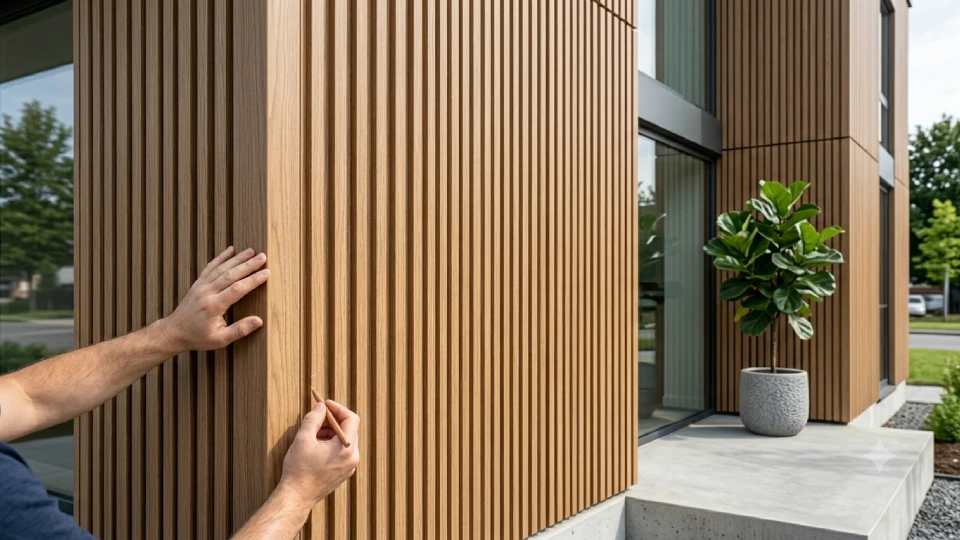

WPC wall panels repairing is one of the most common concerns among homeowners and builders who use composite cladding in exterior or interior architecture. Although WPC panels are highly durable and resistant to moisture, weather, and insects, they are not completely immune to scratches, cracks, or surface damage. Like any architectural finish material, WPC can become damaged because of impact, improper installation, sharp objects, or long-term pressure.
The good news is that most minor scratches and surface damage can be repaired without replacing the entire panel. Modern WPC systems are designed to offer long-term durability, and in many cases, damaged areas can be restored using simple repair techniques. Understanding what causes damage and how to properly repair the scratched WPC panels helps homeowners protect the appearance and lifespan of their cladding investment.
Do WPC Wall Panels Get Scratched or Damaged?
WPC wall panels can get scratched or damaged under certain conditions. Even though they are more durable than natural wood, WPC is still a composite material and can be affected by strong physical impact or improper handling. The surface layer of the panel is designed to resist normal wear, but excessive pressure or contact with sharp objects may leave visible marks.
High-quality co-extruded WPC panels are generally more resistant to scratches compared to low-cost standard products. These advanced panels include protective outer layers that improve hardness and durability. However, no decorative cladding material is completely damage-proof, especially in high-traffic areas or construction environments.
In exterior applications, most scratches are cosmetic rather than structural. Small surface marks usually do not affect the performance or waterproofing ability of the panel. Deep cracks or broken edges, however, may require professional repair or partial panel replacement.
Everything you need to know about differences between natural wood and wood polymer composite
What Causes Scratches on WPC Wall Panels?
These are the usual causes for scratch WPC cladding:
Sharp Objects and Furniture Impact
One of the most common reasons for surface scratches is direct contact with sharp or heavy objects. During construction or renovation projects, ladders, tools, metal equipment, or furniture can accidentally hit the panel surface and create visible marks.
In residential applications, outdoor furniture or decorative items dragged against the wall may also damage the protective layer. While WPC is more resistant than natural wood, repeated friction can still affect the finish over time.
Improper Cleaning Methods
Using abrasive cleaning tools is another common cause of damage. Some homeowners mistakenly use hard metal brushes, rough sponges, or aggressive sanding tools to clean stains from WPC surfaces. These methods can scratch the outer protective coating and reduce the panel’s visual quality.
Pressure washing with extremely high force can also damage lower-quality WPC panels. Proper maintenance should always follow the manufacturer’s cleaning recommendations.
Poor Installation Practices
Incorrect installation can weaken the structural performance of WPC cladding and increase the risk of cracking or breakage. If panels are installed without proper expansion gaps, thermal movement may create stress inside the material. Over time, this pressure can cause deformation or surface damage.
Improper fastening systems may also create weak points around screws or clips. This is why professional installation is essential for long-term durability.
Heavy Impact or Structural Pressure
Although WPC panels are strong, extremely heavy impacts can still crack or break them. Falling construction materials, accidental collisions, or excessive weight pressure may damage the panel structure. In colder climates like Canada, impact resistance can become even more important because low temperatures sometimes reduce material flexibility.
Types of Damage in WPC Panels
these are most common damages can happen:
Surface Scratches
Surface scratches are usually light marks that only affect the outer layer of the panel. These are the easiest problems to repair and often can be improved using heat treatment, repair wax, or light surface restoration methods.
Deep Scratches
Deep scratches penetrate below the protective coating and become more visible. These damages may expose the inner composite material and require specialized fillers or repair compounds to restore the surface appearance.
Cracks and Broken Corners
Cracks usually happen because of strong impact or structural stress. Small cracks can sometimes be repaired using composite fillers, but severe damage may require replacing the affected section of the panel.
many clients are concern about pest infestation! WPC panels are pest-resistant
Color Fading Around Damaged Areas
In some cases, damaged areas collect dirt or experience uneven UV exposure, making scratches more visible over time. Professional restoration may be necessary to restore uniform appearance.
How to Repair the Scratched WPC Panels?
the important considerations are:
Cleaning the Damaged Area
The first step in repairing the scratched WPC panels process is cleaning the surface properly. Dust, grease, and debris should be removed using a soft cloth and mild soap solution. Repairing over a dirty surface may reduce the effectiveness of the restoration process.
Avoid harsh chemicals or abrasive tools during cleaning because they can worsen the damage.
Using Heat for Minor Scratches
For light surface scratches, controlled heat can sometimes help restore the panel texture. A heat gun used carefully at low temperature may soften the outer layer slightly and reduce the visibility of fine scratches.
This method should only be performed carefully because excessive heat may deform the panel surface. Professional assistance is recommended for expensive facade systems.
Applying WPC Repair Wax or Filler
Deep scratches often require color-matched repair wax or composite filler. These products are designed specifically for composite materials and can fill damaged areas while blending with the original texture.
After applying the filler, the surface is usually leveled gently and polished to restore consistency. Choosing the correct color tone is important for achieving natural-looking results.
Sanding and Surface Refinishing
Some WPC products allow very light sanding for repairing damaged areas. Fine-grit sandpaper can smooth rough edges and reduce visible scratches. However, excessive sanding may remove the protective coating of co-extruded panels.
This method should only be used when recommended by the manufacturer. In many premium WPC systems, aggressive sanding is not advised.
Replacing the Damaged Panel
When the damage is severe, replacement may be the best option. Large cracks, broken edges, or structural failure usually cannot be repaired effectively with cosmetic solutions alone.
One advantage of modern WPC cladding systems is that individual panels can often be removed and replaced without rebuilding the entire facade. Professional installers can replace damaged sections while maintaining the original design appearance.
How to Prevent WPC Panel Damage?
Preventive maintenance plays a major role in extending the lifespan of WPC cladding. Simple habits such as avoiding sharp impacts, using soft cleaning tools, and following proper maintenance procedures can significantly reduce the risk of scratches.
Choosing high-quality co-extruded WPC panels also makes a major difference. Premium products include stronger protective layers that resist wear and surface damage more effectively than standard composite materials.
Professional installation is equally important. Proper spacing, structural support, and fastening systems help prevent stress-related cracking and long-term deformation. In Canadian climates, installation quality directly affects durability because exterior materials must handle temperature fluctuations throughout the year.
Are Scratched WPC Panels Still Safe?
In most cases, yes. Minor scratches are usually cosmetic and do not affect the structural safety or weather resistance of the panel. Small surface marks mainly impact appearance rather than performance.
However, deep cracks or broken sections should be repaired quickly because they may allow moisture penetration or weaken the panel structure over time. Ignoring severe damage can reduce the lifespan of the cladding system.
If homeowners are unsure whether the damage is cosmetic or structural, professional inspection is recommended. Experienced WPC installers can evaluate the condition of the panel and recommend the most effective repair solution.
Why Professional WPC Repair Matters?
Many homeowners try DIY repairs without understanding the specific composition of their WPC system. Using the wrong tools, chemicals, or repair techniques can sometimes make the damage worse instead of better.
Professional repair specialists understand how different WPC products react to heat, fillers, sanding, and weather exposure. They can restore damaged panels while preserving the original texture and finish. In high-end architectural projects, professional repair also helps maintain property value and facade consistency.
For exterior WPC cladding in Toronto and other Canadian cities, working with experienced installers ensures the repair process matches local climate conditions and manufacturer recommendations.
the end…
Although WPC wall panels are durable and weather-resistant, they can still experience scratches, cracks, or impact damage under certain conditions. Sharp objects, improper cleaning, poor installation, and heavy impacts are the most common causes of damage.
Fortunately, most minor issues can be repaired successfully. Modern wpc wall panels repairing methods include surface cleaning, heat restoration, repair fillers, light refinishing, and panel replacement when necessary. The right repair approach depends on the severity and type of damage.
For homeowners and builders, choosing high-quality WPC systems and professional installation remains the best long-term strategy for reducing maintenance problems and preserving the appearance of exterior cladding.
FAQs
High-quality WPC panels are scratch-resistant, but strong impacts or sharp objects can still damage the surface.
Minor scratches can often be repaired using heat treatment, repair wax, or composite fillers depending on the damage depth.
Small cracks may be repairable, but severely broken panels usually require replacement.
Light sanding may help in some cases, but excessive sanding can damage the protective coating of premium WPC systems.
Using soft cleaning tools, avoiding sharp impacts, and choosing high-quality co-extruded panels can reduce the risk of damage significantly.
