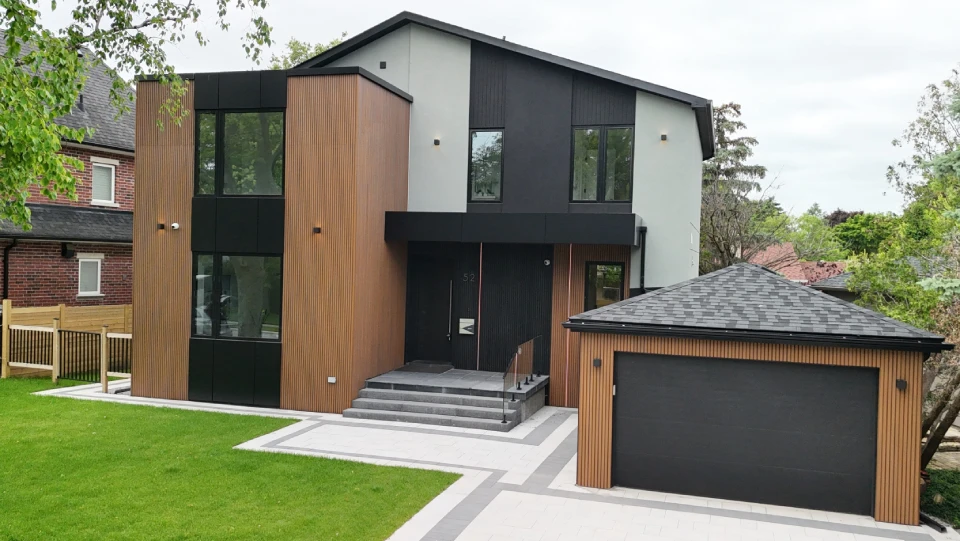
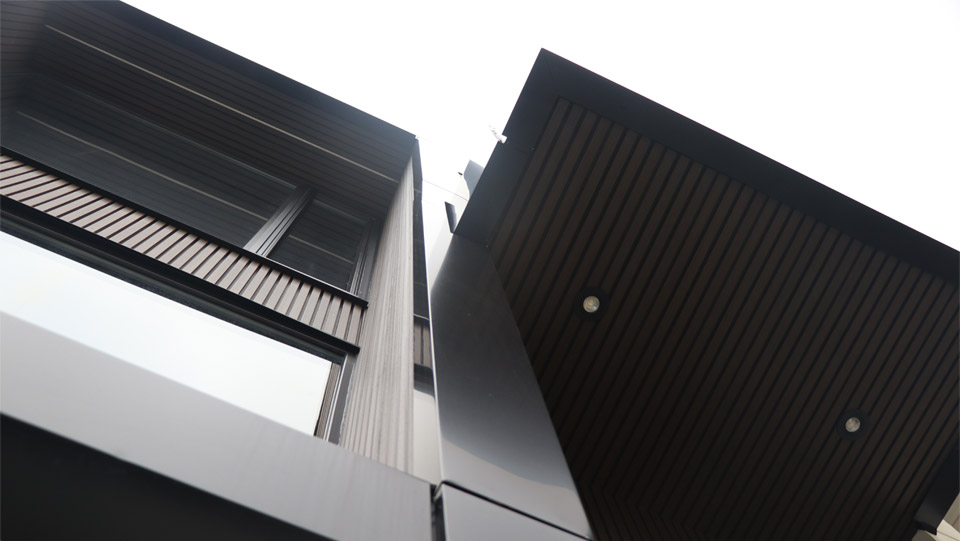
Wood polymer composite is eco-friendly in modern construction. ”Is WPC Eco-Friendly?” is a question that has become increasingly important in contemporary architecture and sustainable construction. As environmental regulations tighten and awareness grows, architects, builders, and homeowners are actively searching for materials that reduce environmental impact without compromising performance. The idea that WPC is eco-friendly is widely discussed, yet not always fully understood, especially in Canada where climate durability and sustainability must go hand in hand.
This article explores in depth whether wood polymer composite truly qualifies as an environmentally responsible material, why its eco-friendly characteristics matter, and how WPC contributes to greener architectural solutions when compared to traditional materials.
Is wood polymer composite eco-friendly?
Wood polymer composite is generally considered an eco-friendly building material when it is manufactured and used correctly. WPC is produced by combining wood fibers- often sourced from recycled wood waste- with thermoplastic polymers, many of which can also be recycled. This hybrid structure allows WPC to reuse materials that might otherwise end up in landfills while reducing reliance on virgin timber. Unlike natural wood, which requires constant harvesting and intensive maintenance, WPC offers long-term durability with minimal environmental cost over its lifecycle. From a sustainability perspective, the ability of WPC to reduce deforestation, extend material lifespan, and lower maintenance-related resource consumption plays a critical role in its eco-friendly classification.
Reasons why wood polymer composite is eco-friendly
these factors are the reasons that make WPC eco-friendly:
Use of recycled materials in production
One of the strongest environmental advantages of WPC lies in its raw material sourcing. Many high-quality WPC products are manufactured using recycled wood fibers from sawdust, wood chips, or industrial byproducts. By repurposing these materials, WPC reduces waste and minimizes the demand for newly harvested wood. In addition, the polymer component often includes recycled plastics, further decreasing environmental strain and promoting circular material use within the construction industry.
Reduced deforestation compared to natural wood
Traditional wood construction relies heavily on continuous logging, which contributes to deforestation and ecosystem disruption. WPC significantly reduces this dependency because it requires less virgin wood material to achieve the same structural and aesthetic results. By offering a wood-like appearance without the need for large-scale timber harvesting, WPC supports forest conservation and helps maintain biodiversity.
Long lifespan and durability
Durability is a key factor in sustainability, and WPC performs exceptionally well in this regard. WPC products are resistant to moisture, rot, insects, and UV exposure, allowing them to maintain structural integrity for decades. This extended lifespan reduces the frequency of replacement, which in turn lowers material consumption, transportation emissions, and waste generation. From a lifecycle assessment perspective, longer-lasting materials are inherently more eco-friendly.
Low maintenance requirements
Unlike natural wood, which often requires regular sealing, painting, or chemical treatments, WPC needs minimal maintenance. Cleaning typically involves only water and mild detergents. The reduced need for paints, solvents, and protective chemicals lowers environmental pollution and minimizes the release of volatile organic compounds into the environment. Over time, this significantly reduces the ecological footprint of WPC installations.
Energy-efficient manufacturing processes
While no industrial process is entirely impact-free, WPC manufacturing is generally more energy-efficient than processing solid hardwood or producing certain synthetic materials. The use of recycled inputs lowers the overall energy demand, and modern production techniques continue to improve efficiency. When sourced from responsible manufacturers, WPC demonstrates a balanced energy profile suitable for sustainable construction goals.
Recyclability at the end of its lifecycle
Another important factor supporting the claim that WPC is eco friendly is its recyclability. Many WPC products can be recycled at the end of their service life and reprocessed into new composite materials. This ability to re-enter the production cycle reduces landfill waste and supports long-term sustainability within the building materials sector.
Why does eco-friendliness of wood polymer composite matter?
The eco-friendly nature of wood polymer composite has real implications for the future of construction. Sustainable materials contribute to lower carbon emissions, reduced resource depletion, and healthier built environments. In regions like Canada, where construction must balance environmental responsibility with extreme climate performance, WPC offers a practical solution that meets both demands. Choosing eco-friendly materials also supports green building certifications and aligns projects with modern environmental standards, increasing long-term property value and public trust.
Beyond environmental impact, eco-friendly materials influence economic sustainability. Lower maintenance costs, longer lifespan, and reduced replacement frequency translate into financial savings for property owners. This makes WPC not only an environmentally responsible choice but also a financially sound one.
Additional environmental benefits of WPC in architectural design
Wood polymer composite contributes to improved thermal and acoustic performance in building envelopes, which can indirectly reduce energy consumption. Better insulation and sound absorption help regulate indoor environments, decreasing reliance on heating, cooling, and artificial noise control systems. These secondary benefits further strengthen the sustainability profile of WPC in architectural applications.
Moreover, WPC supports design flexibility without sacrificing environmental goals. Architects can achieve modern, wood-inspired aesthetics while adhering to sustainability principles, something that is often difficult with natural wood or fully synthetic alternatives.
WPC as a sustainable choice in the Canada
In Canada’s demanding climate, materials must withstand moisture, freezing temperatures, and UV exposure without constant intervention. WPC meets these challenges while maintaining its eco-friendly characteristics. Its resistance to environmental stress reduces the need for repairs and replacements, making it especially suitable for exterior wall systems, facades, and architectural features across Canadian cities such as Toronto.
Conclusion
When evaluated across its entire lifecycle, wood polymer composite proves to be an environmentally responsible material that aligns with modern sustainability goals. The use of recycled materials, reduced deforestation, long lifespan, low maintenance requirements, and recyclability all support the conclusion that wood polymer composite is eco friendly. For architects, builders, and homeowners seeking durable and sustainable solutions, WPC stands out as a smart and future-oriented choice.
If you are considering eco-friendly exterior wall materials in Toronto or anywhere in Canada, Wallcent offers high-quality WPC products and professional installation services designed for long-term performance and sustainability. Contact Wallcent today to receive expert consultation and take the next step toward environmentally responsible architectural design.