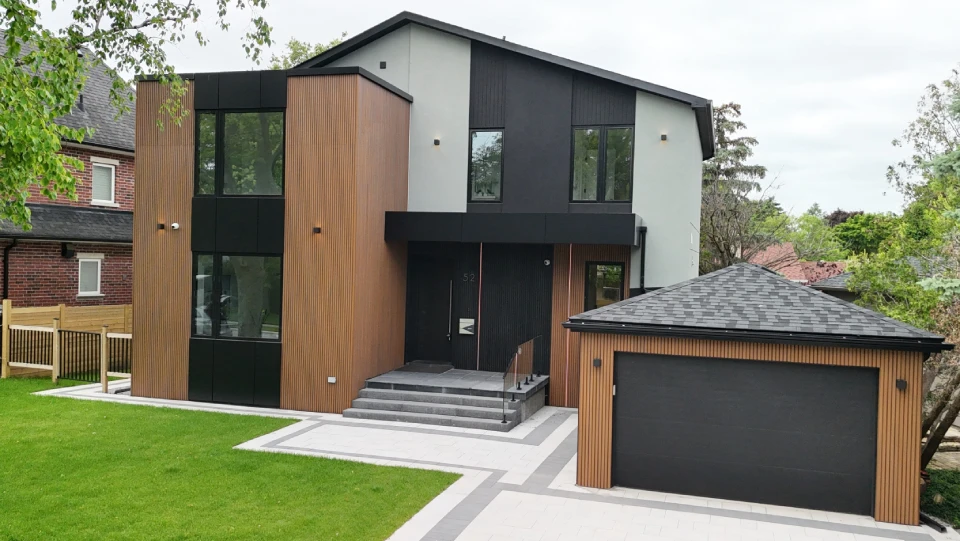
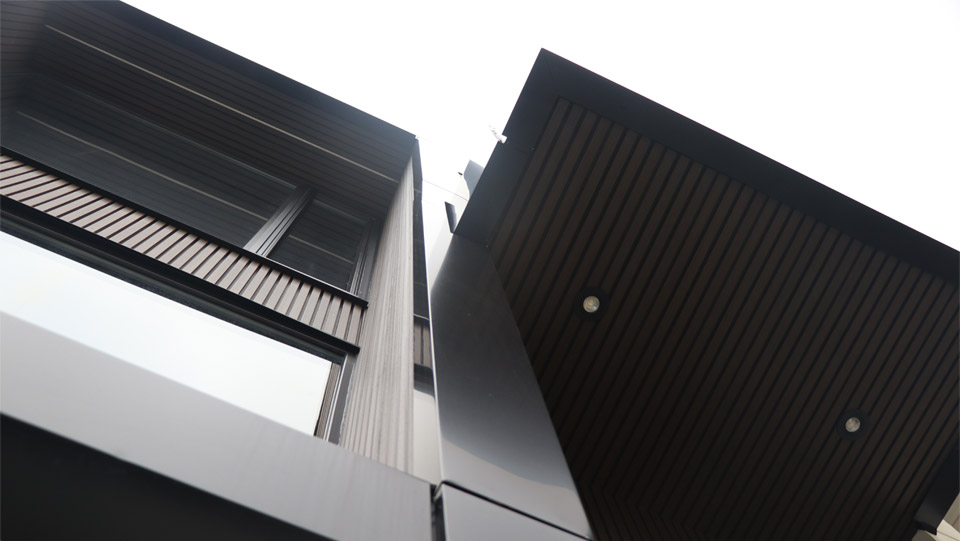
Differences between WPC and uPVC are among the most searched topics in modern architectural design, especially for exterior wall applications. The difference between wood polymer composite and uPVC is not always clearly understood, particularly in the Canadian market where climate conditions, building codes, and long-term durability play a decisive role in material selection. When comparing WPC vs uPVC, many homeowners, builders, and even designers assume these two materials perform similarly simply because both are considered moisture-resistant and low-maintenance. In reality, their structure, performance, aesthetics, and long-term value differ significantly. This article aims to clarify those differences in depth and explain why WPC is often the superior choice for exterior architectural applications, especially in cities like Toronto where environmental stress on building materials is high.
Are WPC and uPVC really different materials?
At first glance, WPC and uPVC may appear similar because both are used as alternatives to traditional wood and both offer resistance to moisture and decay. However, from a technical and structural perspective, they are fundamentally different materials. WPC, or Wood Polymer Composite, is a hybrid material composed of natural wood fibers combined with thermoplastic polymers and stabilizing additives. This combination creates a material that balances structural strength, flexibility, and a natural wood-like appearance. uPVC, on the other hand, stands for unplasticized polyvinyl chloride. It is a fully synthetic material with no organic content, designed primarily for rigidity and chemical resistance rather than structural versatility or aesthetics. Understanding this core difference is essential before evaluating their performance in real-world architectural applications.
9 important differences between WPC and uPVC
Difference in material composition
The most fundamental difference between WPC and uPVC lies in their composition. WPC contains a significant percentage of wood fibers, which contribute to its natural texture, improved structural behavior, and thermal stability. uPVC is entirely plastic-based, relying solely on chemical rigidity rather than composite reinforcement. This difference directly affects how each material behaves under stress, temperature variation, and long-term use.
Difference in appearance and architectural aesthetics
From an architectural standpoint, WPC offers a far more refined and natural appearance than uPVC. The wood fibers in WPC allow it to replicate the look and feel of real wood, making it suitable for high-end exterior facades and modern architectural designs. uPVC tends to have a flat, plastic-like surface that lacks depth and texture. In exterior applications where visual quality matters, WPC integrates more seamlessly with contemporary and natural design concepts.
Difference in thermal performance
Canada’s climate places enormous thermal stress on exterior building materials. WPC performs better under temperature fluctuations because the wood-polymer blend allows controlled expansion and contraction. uPVC is more sensitive to extreme cold and heat, often becoming brittle in low temperatures and expanding excessively in high heat. Over time, this can lead to deformation, cracking, or fastening failure in exterior installations.
Difference in structural strength and impact resistance
When comparing WPC vs uPVC in terms of strength, WPC consistently shows superior impact resistance. The composite structure distributes stress more evenly, making WPC less prone to cracking under mechanical load. uPVC, while rigid, is more likely to fracture when subjected to impact, especially in cold environments. This makes WPC a safer and more reliable choice for exterior walls exposed to physical stress.
Difference in moisture behavior
Both materials are resistant to water, but they behave differently in long-term moisture exposure. WPC is engineered to be moisture resistant while still allowing minimal vapor balance, which helps prevent trapped condensation behind panels. uPVC is completely non-breathable, which can sometimes lead to moisture accumulation behind the surface if installation is not perfectly executed. In exterior wall systems, this difference becomes critical for long-term wall health.
Difference in UV resistance and color stability
WPC products designed for exterior use contain UV stabilizers that protect both the polymer and wood fibers from sun damage. High-quality WPC maintains color consistency over many years. uPVC is more prone to discoloration, chalking, and surface degradation when exposed to prolonged UV radiation. This is a major concern in open exterior facades with direct sunlight exposure.
Difference in acoustic and thermal comfort
WPC provides better acoustic dampening due to its composite structure, which absorbs sound more effectively than solid plastic. This makes WPC particularly valuable in urban environments where noise control contributes to overall comfort. uPVC reflects sound rather than absorbing it, offering minimal acoustic benefit in wall cladding systems.
Difference in sustainability and environmental impact
From an environmental perspective, WPC is often produced using recycled wood fibers and polymers, reducing waste and reliance on virgin materials. uPVC production relies heavily on petroleum-based chemicals and is less environmentally friendly. For architects and developers prioritizing sustainable construction, WPC aligns more closely with green building principles.
Difference in installation flexibility and long-term maintenance
WPC panels are easier to cut, adjust, and customize on-site, making them suitable for complex architectural details. They also require minimal maintenance over time. uPVC, while low-maintenance, is less forgiving during installation and offers limited adaptability for custom designs. Over the lifespan of a building, WPC typically delivers better performance with fewer complications.
Which is better for exterior walls?
When evaluating exterior wall materials, performance under environmental stress, visual quality, and durability are the most important criteria. WPC clearly outperforms uPVC in exterior wall applications because it combines structural strength, weather resistance, and architectural appeal. In climates like Toronto’s, where freeze-thaw cycles, humidity, and UV exposure occur simultaneously, WPC maintains stability and appearance far more effectively than uPVC. This makes WPC the preferred choice for exterior facades, feature walls, and architectural cladding systems.
Which is stronger, PVC or WPC?
From an engineering standpoint, WPC is stronger than uPVC in most architectural applications. The wood fibers within WPC act as reinforcement, increasing load-bearing capacity and impact resistance. While uPVC is rigid, it lacks the internal reinforcement that gives WPC its superior mechanical performance. This strength advantage becomes especially important in exterior installations exposed to wind loads, temperature stress, and physical impact.
Why WPC is the smarter choice in the Canadian market?
In Canada, material selection is not just about cost.it is about performance over decades. WPC offers a balanced solution that meets architectural, environmental, and structural requirements simultaneously. Its ability to withstand harsh weather conditions while maintaining aesthetic quality makes it a long-term investment rather than a short-term solution. Compared to uPVC, WPC delivers higher value through durability, design flexibility, and reduced maintenance costs.
WPC solutions by Wallcent in Toronto
For homeowners, architects, and developers looking for reliable WPC vs uPVC solutions, Wallcent is a trusted WPC manufacturer and professional installer based in Toronto. Wallcent specializes in high-quality WPC exterior wall systems designed specifically for Canadian climate conditions. From material production to expert installation, Wallcent ensures that every project achieves maximum durability, performance, and architectural impact.
If you are planning an exterior wall project and want a material that combines strength, beauty, and long-term reliability, WPC is the clear choice. Contact Wallcent today to receive professional consultation, tailored design solutions, and expert installation services that transform your building into a durable and visually striking architectural statement.